Cardboard and Cultural Brokering at Caine’s Arcade

(This post originally appeared on the Joan Ganz Cooney Center at Sesame Workshop blog.)

This past Saturday, October 6, kids in over 30 countries in 6 continents participated in the Global Cardboard Challenge, the next chapter from the folks that brought you the short film “Caine’s Arcade.”  The fanfare around the film, featuring a 9 year-old Hispanic boy named Caine’s elaborate handmade cardboard arcade, was the impetus for the formation of the Imagination Foundation.  The non-profit, founded by “Caine’s Arcade” filmmaker Nirvan Mullick, aims to “help find, fund, and foster creativity and entrepreneurship in kids.”  The Foundation is currently developing programs supporting kid-friendly makerspaces and providing opportunities for STEAM education (which means placing the arts & humanities very much into the center of STEM education).

The Foundation launched the Global Cardboard Challenge, an annual worldwide day of play and tinkering coinciding with the one-year anniversary of the flash mob Nirvan organized to surprise Caine with a big group of people eager to play his inventive games.  Each Global Cardboard Challenge event this weekend was organized by local organizations and community groups in schools, museums, libraries, churches, and even in kitchens and backyards, all sharing information via Facebook or the event’s online hub.  From Hong Kong to Homer, Alaska, friends, families, and community members came out to celebrate kids’ imaginative creations made out of cardboard and other recycled materials.

I spent a few hours on Saturday at the flagship Global Cardboard Challenge event in Boyle Heights, across the street from the original Caine’s Arcade.  I’ve posted about Caine’s Arcade on this blog before, both the film and the physical location in East LA.  I met Nirvan, Caine, and Caine’s dad George a couple weeks after the flashmob, when Nirvan screened an early version of the film at the DIY Days conference, and I have also been volunteering as an educational advisor to the Imagination Foundation.

Earlier this year, upon the worldwide release of the film on YouTube and Vimeo, I wrote, “Caine’s Arcade is a timely and brilliant example of how our society needs to rethink the ways of doing and thinking that connect children to larger bodies of knowledge and allow them to share their creations with a larger public.”  Having spent a great deal of time walking around the event on Saturday, talking with kids and their parents about what brought them there, I want to slightly tweak my earlier observation.  I think this Caine’s Arcade transmedia universe not only can support children’s learning across media, but also help to connect parents who might not otherwise have the opportunities to participate as well.

One conversation in particular stuck with me, emphasizing the importance of diverse types of parent engagement, in school and out-of-school contexts.  I walked up to two little girls working on building handles so that they could walk around with a large handpainted cardboard Caine’s Arcade sign.  I asked one of their mother’s how she had first heard of the event.  Realizing that English was not her primary language, I tried again in Spanish, asking if perhaps they had watched the “Caine’s Arcade” movie online at home.  She told me that they do not have internet access at home, and then called her daughter over to speak to me.  Her daughter’s English was much better than my Spanish, and I worried that I might have made the mother uncomfortable by asking first in English.  The girl eagerly said that she had seen both the first and second follow-up “Caine’s Arcade” short films at school, and had told her mom about the Global Cardboard Challenge event.

The exchange recalled for me the dissertation of a 2007 graduate of my Ph.D. program in Communication at USC Annenberg and current Asst. Professor of Communication at Rutgers, Vikki Katz.  In particular, I thought of an article of hers, based off of her dissertation work, published in the Journal of Children and Media and entitled “How children of immigrants use media to connect their families to the community: The case of Latinos in South Los Angeles” (2010).

In it, Katz describes how while most research on children and media in the home focus on majority culture, middle-class families, little research focuses on immigrant families and the ways in which children in those families “broker” new and traditional media forms to connect their families to local resources.  Most of these children speak both the majority and minority language while many parents are monolingual.  Thus, the children not only translate information from media artifacts such as newspapers and TV, but also advocate on behalf of their parents and help connect them with community resources.  Writes Katz, “For parents who are unable to interact in the majority language, children broker connections to media to compensate for their parents’ limited traditional and new media literacies” (p. 299).  Katz’s research “highlights the need for serious explorations into how race/ethnicity, immigration status, and class may affect children’s media worlds and relationships to communication technologies”  (p. 331).  The little girl I talked to would never have watched the “Caine’s Arcade” video at home, and thus through her internet access at school and her teachers’ interest in “Caine’s Arcade,” brokered her mother’s inclusion in this community event in Boyle Heights, which was also attended by other community arts groups and youth outreach organizations.

The “Caine’s Arcade” film has engaged many parents through its spread across the internet, and indeed, I talked to many parents living in East LA and South LA who saw the film on YouTube and heard about the Global Cardboard Challenge event through using Facebook.  In order to engage all kinds of families in children’s formal and informal learning opportunities, such as the kinds proposed by the Imagination Foundation, it is of vital importance to understand the media worlds of language minority groups in the US, and to recognize the multi-faceted nature of the kinds of resources parents have access to and feel most comfortable engaging with.
Mighty morphin’ postcards: Movement and stillness in lenticular photography

This semester, I am taking a class on Medium Specificity with my advisor, Henry Jenkins (Syllabus: web-app.usc.edu/soc/syllabus/20123/17830.doc).  The class focuses on the problem of trying to deal with a given medium as something pure/whole/essential; how the history of film, photography, and video gaming is grounded in hybridity/border crossing; and the implications for producing transmedia systems.

A set of readings this week on photography prompted me to reflect on a collection of mine – the only thing I collect with any sort of dedication really – lenticular postcards.

One of our readings was from David Campany’s book Photography and Cinema.  His essay on stillness and movement plays with common assumptions about moving in film (with stillness or implied stillness as transgression) and still objects/landscapes in photography (with movement or implied movement as transgression).

For example, referring to the eye as a sort of metaphorical “camera” or as an extension of a camera when observing a street scene has multiple connotations, depending on an emphasis on presumed stillness or movement in the medium.  The eye functioning as photographic camera could involve rapid shots or continuous long exposures.  As cinematic camera, the eye might see moving images or freeze frames.

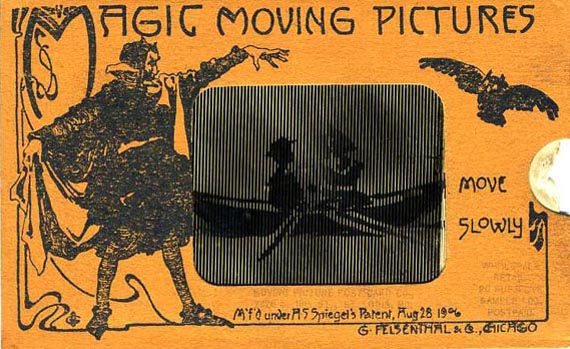
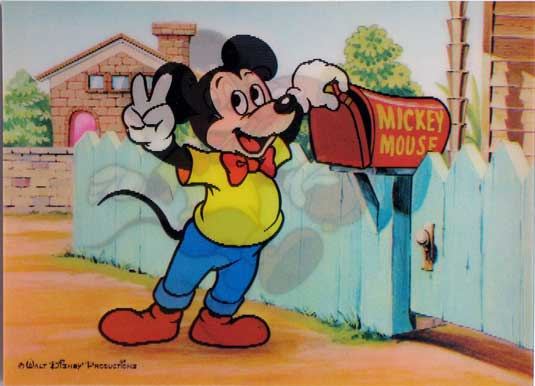
Another technology, not discussed in Company’s essay but playing with stillness and movement, is the lenticular postcard (http://en.wikipedia.org/wiki/Lenticular_printing).  Lenticular postcards are not just still OR moving, or still AND moving – but morphing.  They emphasize the fluidity, the transition back and forth, the slight moments between partly-still and partly-moving in either direction.

I collect all kinds from museums and gift shops – but started a few years ago during a trip to Barcelona.  At the MACBA (Museu D’Art Contemporani de Barcelona/Barcelona Museum of Contemporary Art), I saw an exhibit by Spanish artist Carlos Pazos (http://www.macba.cat/en/exhibition-carlos-pazos) that focused on photographic systems of representation.

One of his pieces was a collection of pornographic lenticular postcards.  In between the partial-stillness of the nude and the partial-stillness of the clothed was the movement of dressing/undressing – wiggling, flickering, shimmering.  That movement can be created by a person angling the postcard in different directions (if held in one’s hand) or a person moving their own angle in relation to the postcard (if posted on a wall).

The magic, playful quality of lenticular postcards and photography also lends them to the less adult arena of birthday cards, children’s book covers, and keepsakes from amusement parks.

Here’s good online discussion of the history of the lenticular postcard: http://www.postcardcollector.org/forum/index.php?p=/discussion/437/lenticular-postcards

References

David Campany, “Stillness,” Photography and Cinema (London: Reaktion Books, 2008), pp. 22-59.

Children, families, and vintage computing ads

I’m currently working on a paper analyzing science fiction/dystopian visions of children and families’ interactions with new media and communication technologies.  The paper specifically looks at three points in time – 1950s, 1980s, present day – and three related texts from those eras: 1) The late Ray Bradbury’s short story “The Veldt” (1950), 2) The 1989 Canadian TV version of “The Veldt” from the series “The Ray Bradbury Theater,” and 3) Jennifer Egan’s “A Visit From the Goon Squad,” which won the Pulitzer Prize for Fiction in 2011.  Each text was produced in the midst of some new form of media/technology gaining traction in US homes – TV in the 1950s, video games in the 1980s, smartphones in the early 21st century – and revolve around a fictitious future extension of each media being used by children outside of their parents’ control.  These stories/TV shows/novels don’t take an either/or pro- or anti-technology stance per say, but reflect hopefulness and anxiety, both and all at once.

Inspired by Lynn Spigel’s work in “Make Room For TV,” I did some supplemental browsing for vintage print ads depicting children and computing technology (sometimes with or without family members.)  Most of them are from the 1980s.  For example, this Atari ad makes parallels between the Space Age and the Computer Age.  Interesting that 1) the copy for the Atari ad below makes no explicit mention of gender, and 2) there’s some major media multitasking going on.

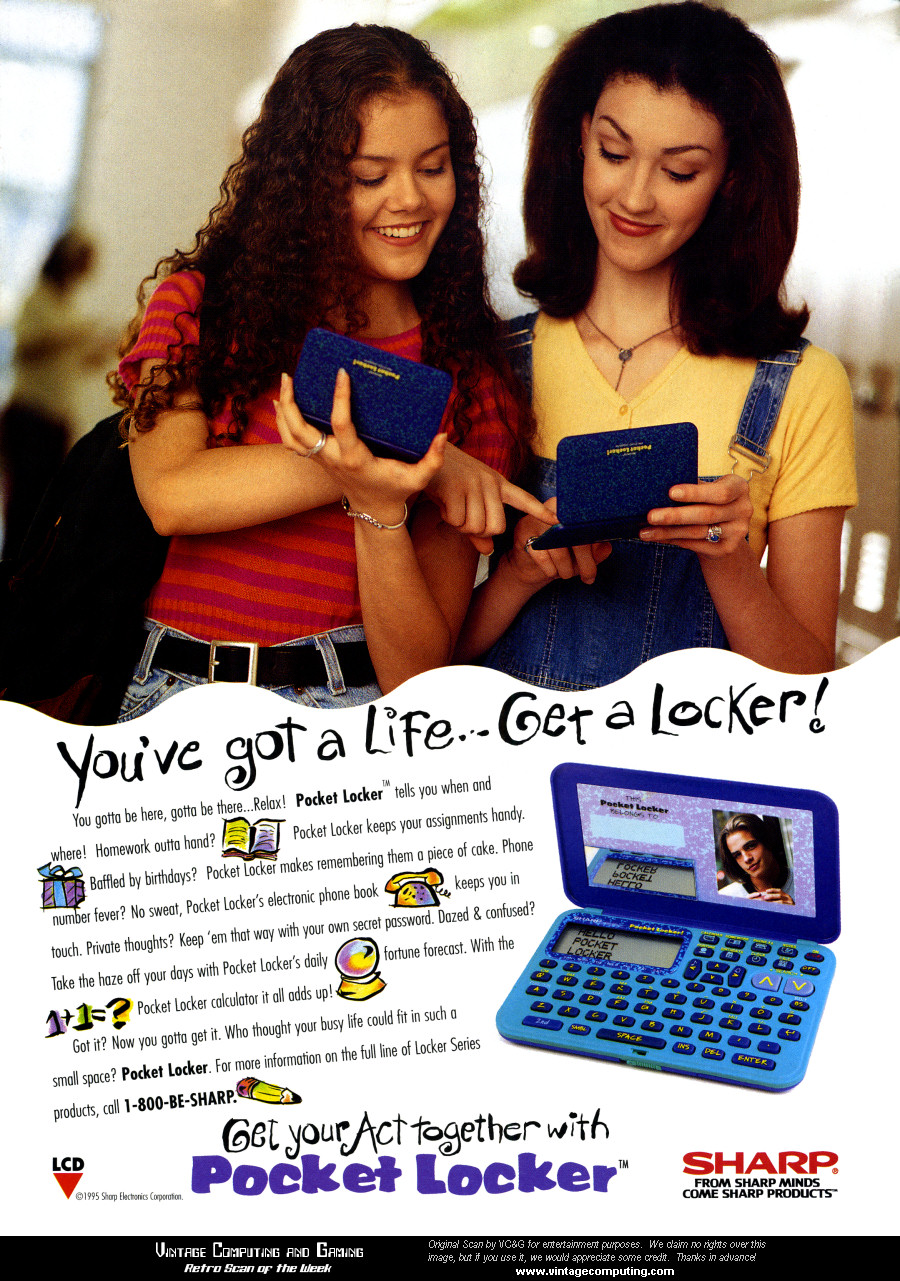
I’m super interested in the gendered positioning of late 1980s/1990s tween/teen PDAs – like Sharp’s “Pocket Locker” and Casio’s “My Magic Diary.”  As you can see in the video below too, these devices offered “mobile messaging” – pre-cell phone texting in a zap!  As this 1994 LA Times article notes, Casio’s Secret Sender 6000 “can send 10 pre-programmed messages or a child’s own personalized ones as far as 25 feet.” (Extra interesting that the video puts the emphasis on the devices’ “Match Maker” function.)

“Meet your kid’s new teachers,” reads the copy for this ad for Sprout Software, featuring the characters Tink and Tonk.  Yes, they may “look like funny characters right out of a computer game shoot ’em up,” but they just might displace your child’s teacher in front of the classroom.

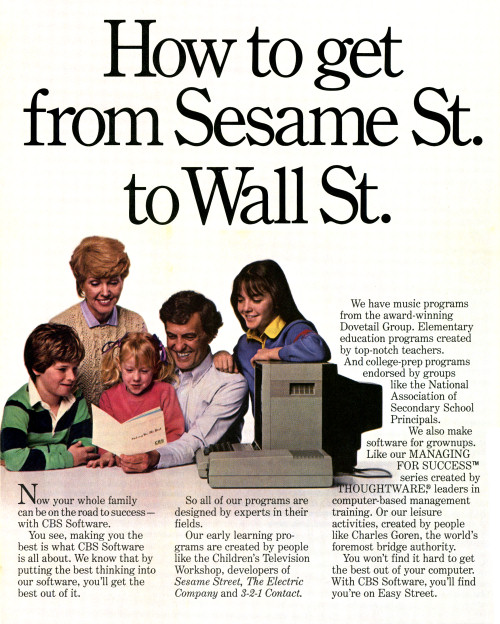
I don’t know if you’ll find the directions from Sesame Street to Wall Street inside that computer’s manual, as the family in the ad below for CBS Software seems to be doing.  The copy primes the audience into associating children’s learning using computers with future financial success.

Scholastic’s “Family Computing” magazine was the first magazine in the company’s history to be promoted for purchase outside of schools (with a magazine targeting teachers and computing to come later, according to this 1983 NYT article.)  I’m kind of dying to get my hands on the full set of issues of this magazine for many research reasons, but especially to see if any covers top the awkward family photo in this one.

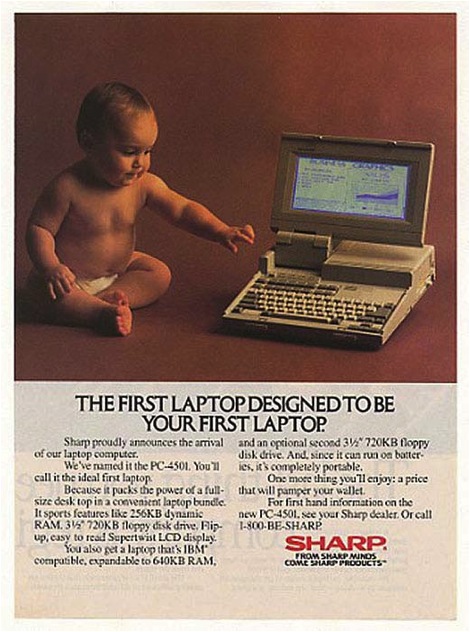
The one below really exemplifies the nascent/newborn technology and the nascent/newborn baby trope that I talked about in my DML 2011 talk and have written about on this blog before.

Like the “Family Computing” magazine above, this ad also takes non-mobile/non-laptop early PC monitors and puts them on wheels and in laps (since there were little other alternatives at the time.)  This one evokes nostalgia for “old” school supplies, like lunch boxes, with anxieties about “new” replacements like kindergarteners bringing computers to school.  Its technical support is “the Next Best Thing to Mom and Dad.”  Teachers were the ones being replaced with computers in the Sprout Software ad above, and now its parents.

Then there’s all the ads that draw on parent fears about computers irreparably screwing up a child’s brain, or guilt about not doing enough to “tickle” their child’s brain.

If any of this “tickles” YOUR mind, a great book to check out is Mimi Ito’s 2009 book “Engineering Play: A Cultural History of Children’s Software.”

Makerspaces and maker “spaces” for kids: A month’s dispatches from Germany and LA

A common thread running through my transcontinental travels, conferences, and festivals this past month has been about creating and sustaining educational contexts that enable children of all abilities to hone their “hacker literacies” (as my friend and fellow Ph.D. student Rafi Santo has written and spoken about.)  As Rafi frames it, a hacker literacies paradigm is about blending critical media and participatory media literacies.  Developing hacker literacies in kids means physically, cultural, socially, and emotionally supporting young people’s cultivation of an empowered stance in relation to technology – specifically the way tech is formulated, coded, and designed (technology across the no, low, and high tech spectrum.)  Hacker literacies also incorporate a critical perspective on how that technology impacts society (e.g. labor relations, working conditions, and small electronics manufacturing; how e-readers might disenfranchise blind users.)  For example, one possible ethnography that I’m looking into conducting this coming school year is on how parents and children with disabilities foster hacker literacies in relation to assistive technologies.

One place potentially friendly towards supporting a child’s cultivation of hacker literacies is a “makerspace.”  A makerspace is a dedicated place where people with an affinity for creating meet up.  Though originally popularized as more of an adults-only space (think fire, toxic chemicals, and sharp objects), makerspaces can support a community of practice for learners of all ages around shared interests in taking things apart, learning how things work, and creative expression.  (Ideally, the all ages/genders part would also incorporate babysitting/childcare into the makerspace site, as well as being wheelchair accessible/disability inclusive.)

Niches might include soldering, sewing, computer programming, laser cutting/papel picado, digital media, and arts & crafts.  Makerspaces might be in stand-alone offices, museums, or reside in church basements, like the awesome Mt Elliott Makerspace in Detroit.  Being in Detroit, home of the US automotive industry, Mt Elliott focuses partly on technologies of transportation, while other makerspaces may reflect other components of the local economy and culture.

My June 2012 included seeing makerspaces as a featured location within episodes of children’s television, considering children’s television a site of informal “maker education,” learning about new (and old) tools for supporting hacker literacies, and volunteering at a pop-up physical hackerspace for kids.

Makerspace as setting for children’s non-fiction TV

At Prix Jeunesse, the winner of the under-6 non-fiction category was the show Ene Mene Bu (And It’s Up To You) by KI.KA – Der Kinderkanal von ARD und ZDF, Germany.  The show portrays young children as capable makers and artists.  The real preschoolers in the show describe their creative works, processes, and hobbies; craft stories about their creations; and transfer their creations into physical play – all in their own voices without adult voice over.  Young viewers also have the opportunity to participate in the show’s production by sending in their own art through the online portal, which then gets incorporated into the show’s graphic elements.

What particularly struck me about EMB was the implicit understanding that adults were nearby (or at least behind the camera) while children operated materials or tools that in a US context might not be considered “child-safe.”  For example, in the episode of EMB I saw, a group of four preschool-age girls and boys (probably around ages 5-6) sit around a communal workshop table, sawing at wood and screwing blocks into vices.  They gave one another constructive feedback and helped each other problem solve (e.g. “Does this stick look good as the antenna on my birdhouse?”).  In another scene in that episode, a boy uses different implements to imprint mud patterns on a piece of paper – including his foot, a bike, and a horse hoof.  (An adult assists the boy to drive a tractor over the paper, too.)

The makerspace-oriented shows at Prix Jeunesse were not without their issues.  One such area was gender.  For example, the lauded show Uit-Me-Kaar (Toolbox Kids) from KRO Youth/Netherlands features exclusively boys (from the episodes I’ve seen) dismantling appliances.  In one of the discussion panels, a delegate from Southeast Asia noted that Uit-Me-Kaar would not be a good fit in her country, since children there learn to repair objects and to take a perfectly good working machine apart would be terribly wasteful.  Another audience gripe was that these “maker” shows look a lot more fun to do in person that to watch on screen.

Educational children’s TV with a maker curriculum

Earlier in the month, I attended a presentation at the International Communication Association’s annual conference by Rosemarie Truglio, SVP of Research and Education for Sesame Workshop.  Her presentation was entitled “The Words on the Street are Nature and Science: An Evaluation of Sesame Street’s Curriculum.”  As Sesame Street looks to expand their STEM (science, technology, engineering, and math) curriculum into STEAM education (STEM + art), it occurred to me that next season’s Sesame Street should consider adding a family-friendly makerspace to the block as a model for kids-teaching-kids, kids-teaching-adults, and adults-teaching-kids in a safe place to share knowledge about STEAM-related things.

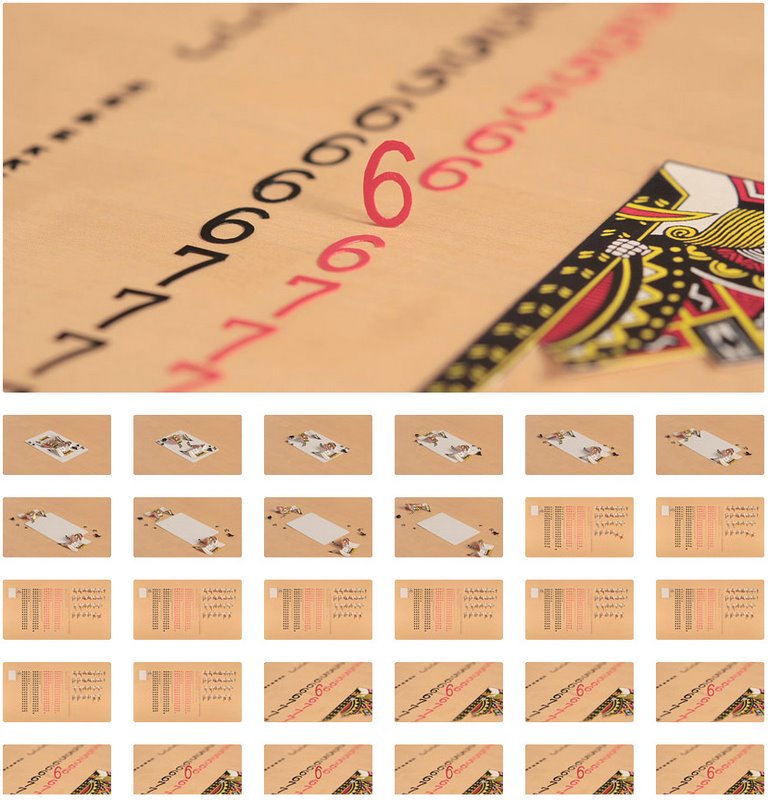
A “maker curriculum” does not necessarily have to involve a makerspace though.  The top prizewinner at Prix Jeunesse was the very engineering and arts oriented age 7-11 series Design Ah! from NHK/Japan.  Despite the category of entry, the visually and aurally alluring show has appeal for preschoolers, parents, and grandparents alike.

Deconstructed playing cards as animation in Design Ah!


Tools and contexts for supporting hacker literacies

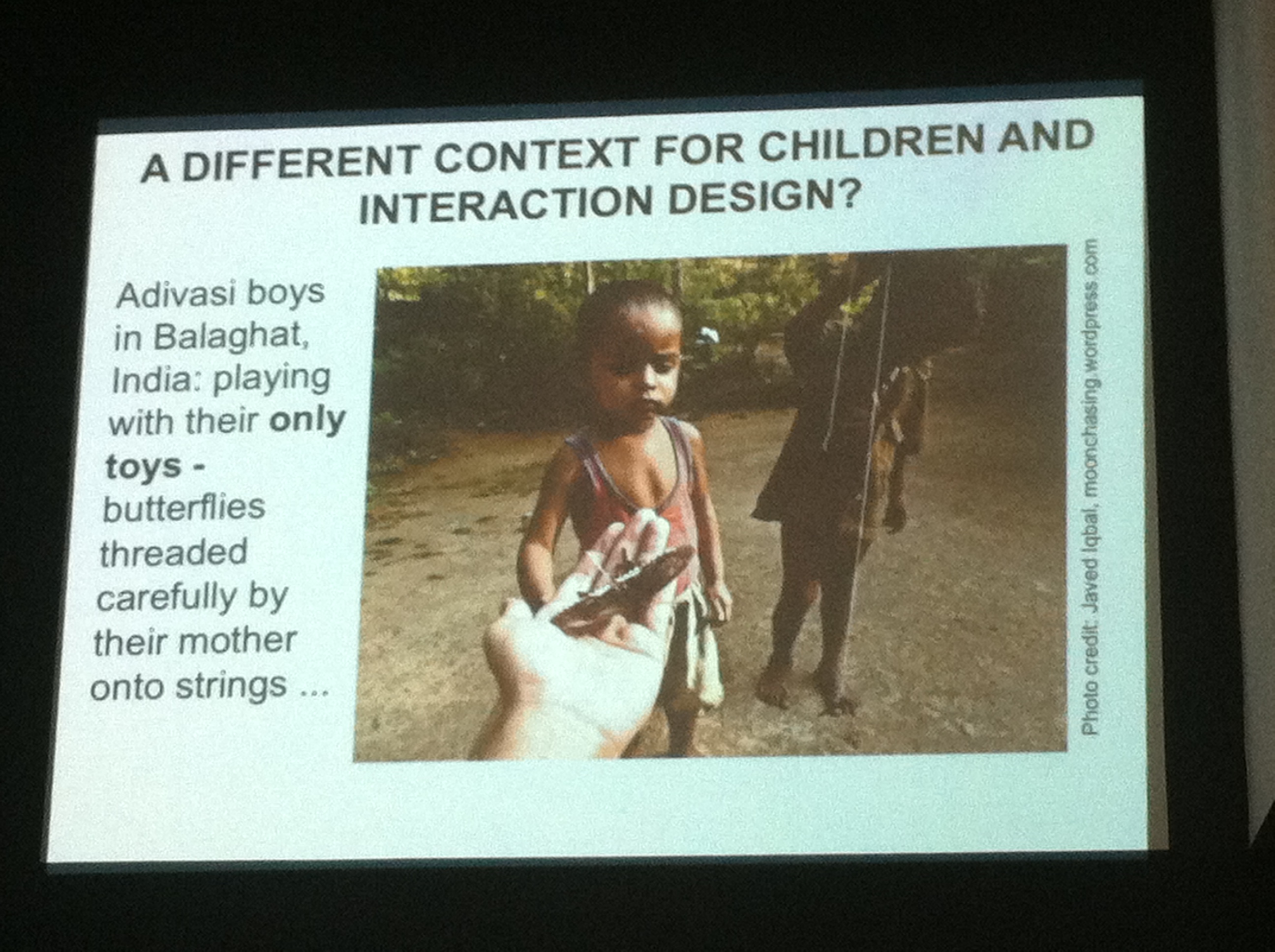
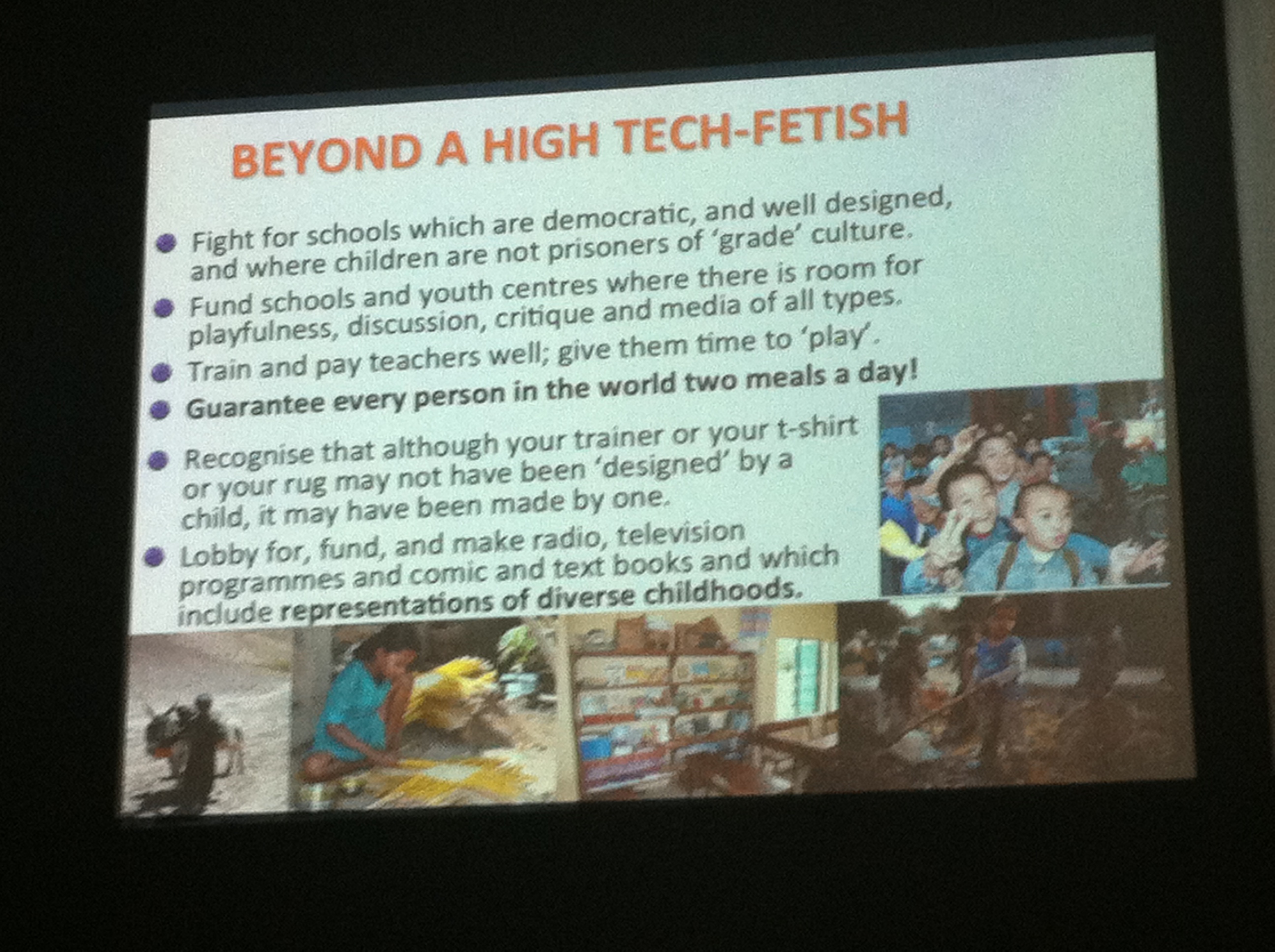
Following Prix Jeunesse (with a long vacation in Berlin in between), I had a fantastic time at the Interaction Design and Children (IDC) conference in Bremen, Germany, where I co-organized a workshop on interactive technologies for children with special needs.  One of the highlights of the conference was the keynote by Dr. Shakuntala Banaji of the London School of Economics.  Her talk was entitled “Beyond Wild Dreams and High-Tech Fetishes: Learning About Media from Children in the Global South.”  As the slides from her talk I captured below reflect, her talk was provocative in the best possible way, challenging conference attendees to consider multiple meanings and sociocultural contexts for children’s learning with media and technology, particularly children in non-urban areas in the developing world.  “Hacker literacies” and “civic participation” in this context takes on unique textures and reflects different lived experiences.

Physical makerspaces and democratic materials

In between layovers at the Munich/Dusseldorff/Berlin/Bremen airports, I read “The Developing Scientist as Craftsperson” by Drs. Mike and Ann Eisenberg, computer scientists at University of Colorado, Boulder.  I highly suggest it for anyone interested in embodied cognition, creativity, and science education.  The chapter looks at the role of “scientific handicrafts” and “personal laboratories” in children’s day-to-day lives, and how mixing virtual and real world craftspaces might promote more affective, social, and relevant science learning for students.

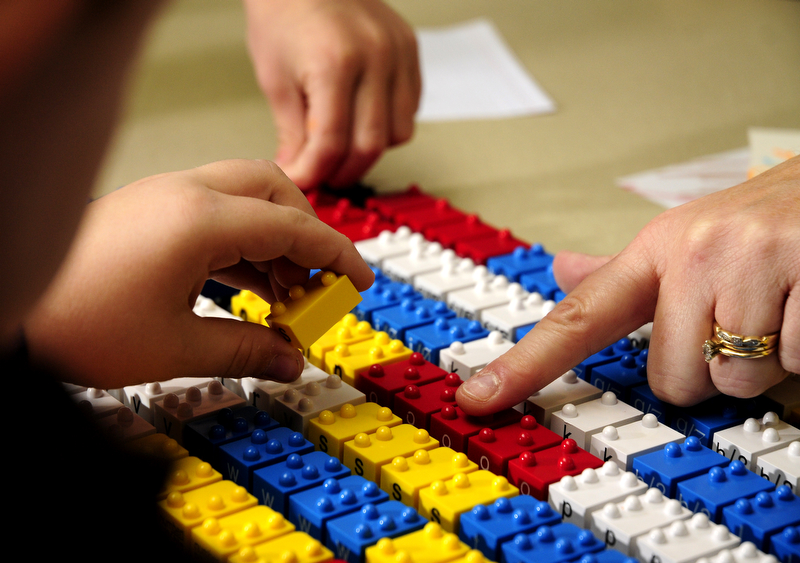
Pleasurable and tactile experiences with science and computer programming as described in the paper inspired me at IDC to think of this radical idea: If Lego blocks have been used to teach computer programming and robotics to sighted children (See Mitch Resnick’s work at the MIT Media Lab), what about using Tack Tiles (hacked Lego blocks that teach Braille) for teaching computer programming to children with visual impairments?

Next year’s IDC will held in June in NYC at the Sesame Workshop HQ near Lincoln Center.  I am delighted to serve as co-workshop chair of the conference next year alongside Dr. Shuli Gilutz – and think (hint, hint) that it would be great for someone to propose a workshop on child and family-friendly makerspaces, besides a follow-up to our workshop on technologies developed for, with, and by children with disabilities.

Since returning from Germany, I also had the pleasure to volunteer at the LA Youth Hack Jam on June 23.  Tara Tiger Brown, who is spearheading the creation of a kid-friendly DIY/hacker/makerspace in LA, organized the event.  Things ran super smoothly, thanks in part to the generosity of Wildwood School in West LA for hosting.  I hope that in the near future, kids who live in the east side and downtown areas of LA will also have more local opportunities to participate in hacker/makerspaces.  A great deal of fantastic work is already being done by Luz Rivas (who led a Scratch workshop at the Hack Jam) and Iridescent Learning LA.  In addition, the Caine’s Arcade Imagination Foundation (for which I am volunteering currently as an educational advisor) hopes to find, foster, and fund creativity and entreprenership in kids, particularly in East LA.

Making sense of it all

It’s been a packed June, and so naturally, July and August will necessitate a whole lot of idea unpacking in order to make sense of all this kids, makerspaces, and children’s TV as maker “space” stuff!  I’d love to know if any of these ideas resonate with you as well, so please feel free to reach out.

References

Eisenberg, M. & Eisenberg, A. (2000). The developing scientist as craftsperson. In N. Roberts, W. Feurzeig, & B. Hunter (eds). Computer modeling and simulation in pre-college science education (pp. 259-281). New York: Springer-Verlag.

Santo, R. (in press). Hacker literacies: User-generated resistance and reconfiguration of networked publics. In J. Avila & J. Zacher-Pandya (Eds.), Critical digital literacies as social praxis: Intersections & challenges, New literacies and digital epistemologies. New York: Peter Lang.

From “Sesame Street” to “Sesamstrasse”: Journey to Prix Jeunesse 2012

Prix Jeunesse (PJ) is a biannual international children’s TV festival held in Munich honoring the most innovative, engaging, and enriching kids’ programs worldwide.  Held since 1964, with a rich and fascinating history, the festival covers a wide swath of TV shows for children ages 0-15, as well as both fiction and non-fiction genres.  Its partner organizations include UNESCO, UNICEF, and the American Center for Children and Media.

What makes PJ particularly unique as a contest is that the winners are decided upon by all the participants (including an international youth jury.)  The deliberation process involves the producers, researchers, and executives watching the entries simultaneously, and then breaking off into small discussion groups.  This exchange uncovers diverse perspectives on the same material, mutual respect, and greater understanding of local and cultural production needs.

In a way, I’ve wanted to attend PJ since 1989.  Granted, I was only 6 years old in 1989, and didn’t actually know then that PJ existed per se.  But that year, I learned something life-altering from Sesame Street: 20 Years and Still Counting, a Bill Cosby-hosted TV special that aired on NBC in the US.  (Bit of trivia: Sesame Street won first prize at the fourth PJ, sending ripples through the international television sector and sparking an array of Sesame Street international co-productions.  It should be noted that PJ, refreshingly, is most definitely not a market, like Sundance or MIPCOM.)

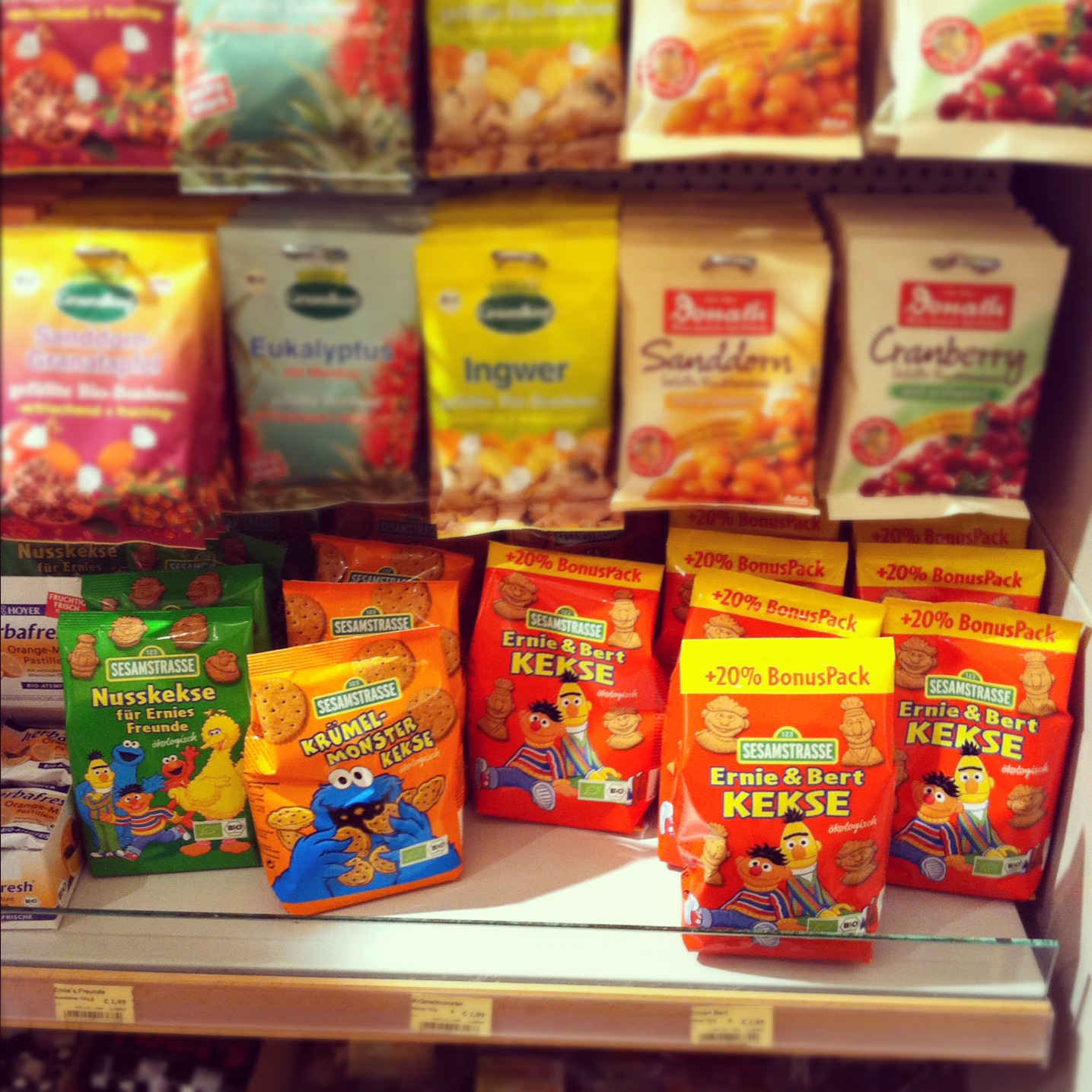
Sesamstrasse cookies I spotted in the Bremen Hauptbahnhof (train station).

I discovered through this moment in the 20 Years and Still Counting special (link below) that people around the world made “same but different” versions of Sesame Street – with “same but different” Muppets, theme songs, and even titles for the show itself (names like Sesamstrasse in Germany and Barrio Sesamo in Spain).

http://www.dailymotion.com/video/x5mh25_sesame-street-20-years-and-still-co_news&start=167

Ever since watching that clip (and re-watching my VHS copy in subsequent years), I’ve been curious about which TV shows other children around the world watch, and what they learn from those locally-produced shows.  When I interned in the domestic research department of Sesame Workshop the summer after sophomore year of college, I would sneak in lunchtime breaks to the international research team’s video library/closet.  My undergraduate thesis at Northwestern ended up being a twist on studying international children’s TV, analyzing about 50 different episodes of US children’s TV to investigate how non-US citizens were presented.  (In case you were curious, lots of “funny foreign exchange students” and a Cold War hold-over of Central/Eastern European villains.)

Twenty years after that 1989Sesame Street special (plus another 3 – if you’re “still counting” – ha!), I made it all the way to PJ.  It was a dream come true to experience and to meet people from around the world, from England to East Timor, with such similar interests and passions.

It was extra special to attend PJ having made my own contribution to the festival.  I co-presented a study for which I did field work, on what children around the world learn from television, with Prix Jeunesse’s sister organization, the International Central Institute for Youth and Educational Television (IZI).  As the legendary Sesame Street-creator Joan Ganz Cooney said, “It’s not whether children learn from television – it’s what children learn from television, because everything children see on television is teaching them something.”  Here’s a glimpse at what our results looked like:

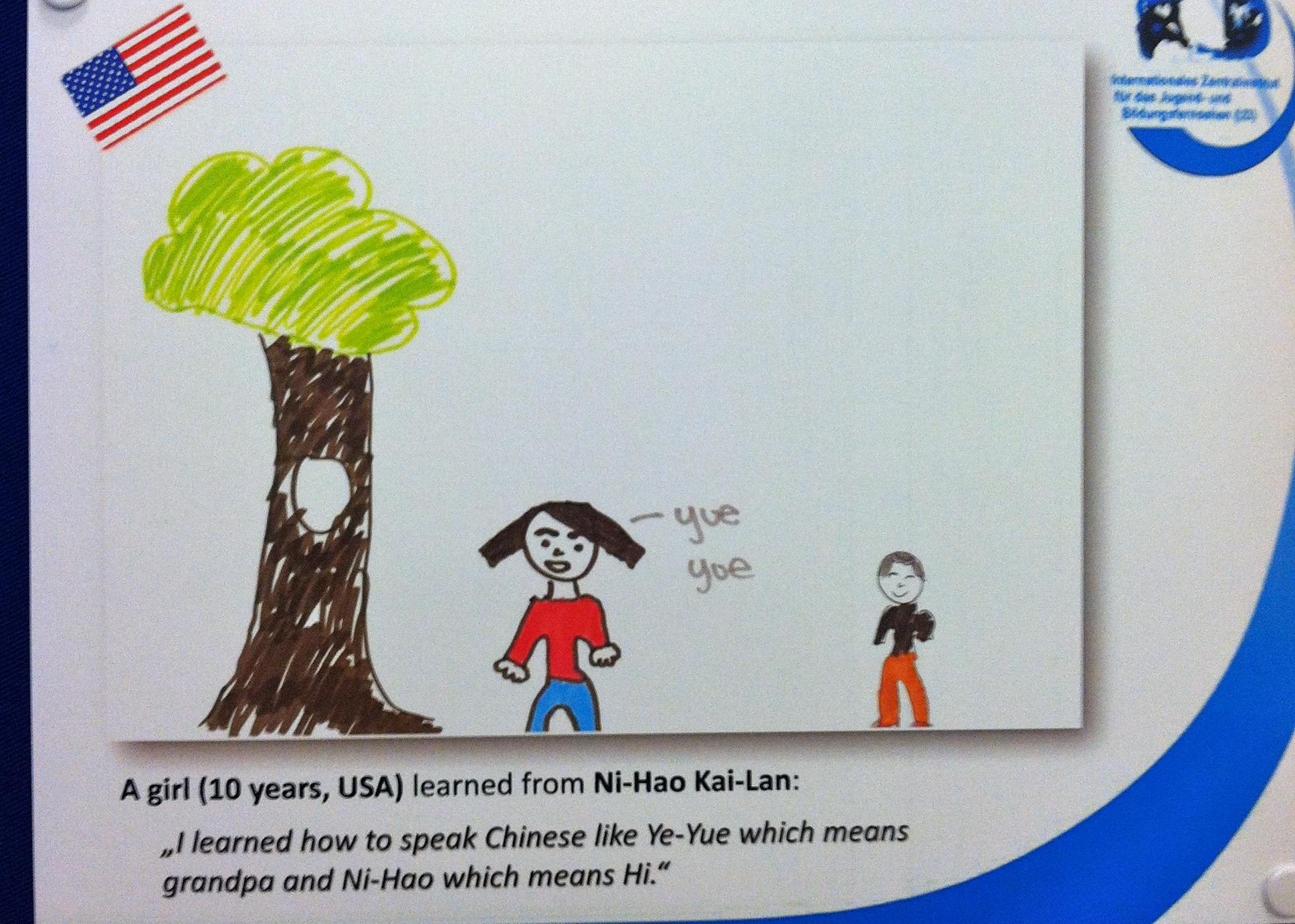
A girl (10 years, USA) learned from Ni Hao, Kai-lan: “I learned how to speak Chinese like Ye-Yue which means grandpa and Ni-Hao which means Hi.” (I got a special kick out of this response since I worked on Ni Hao, Kai-lan.)

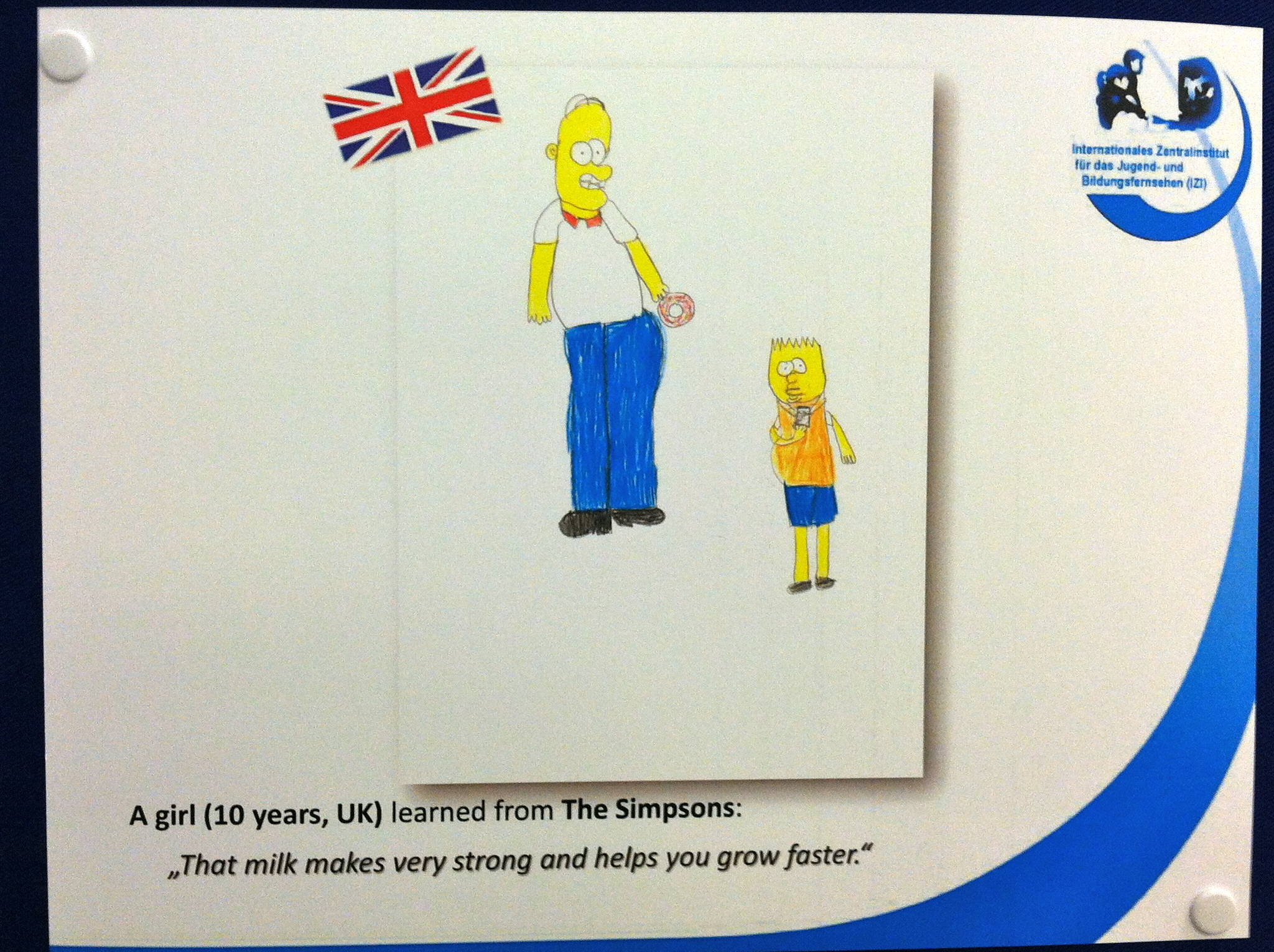
A girl (10 years, UK) learned from The Simpsons: “That milk makes very strong and helps you grow faster.”

A girl (10 years, Cuba) learned from Hello Kitty: “One learns to give all the love and affection to friends.”

More later on what I myself learned from watching TV at Prix Jeunesse, my favorite programs, and PJ’s relevance to my other areas of research.